
Carmel homeowners invest a lot in their concrete, from long driveways to stamped patios and pool decks. Sealing is the low-cost maintenance step that protects that investment. It does not make concrete indestructible, but it helps keep water, salt and stains out of the surface and keeps decorative color from fading.
We connect Carmel and Clay Township homeowners with an independent local contractor for cleaning, crack repair and sealing. Call (317) 798-0634 for a free quote.
What Sealer Actually Does
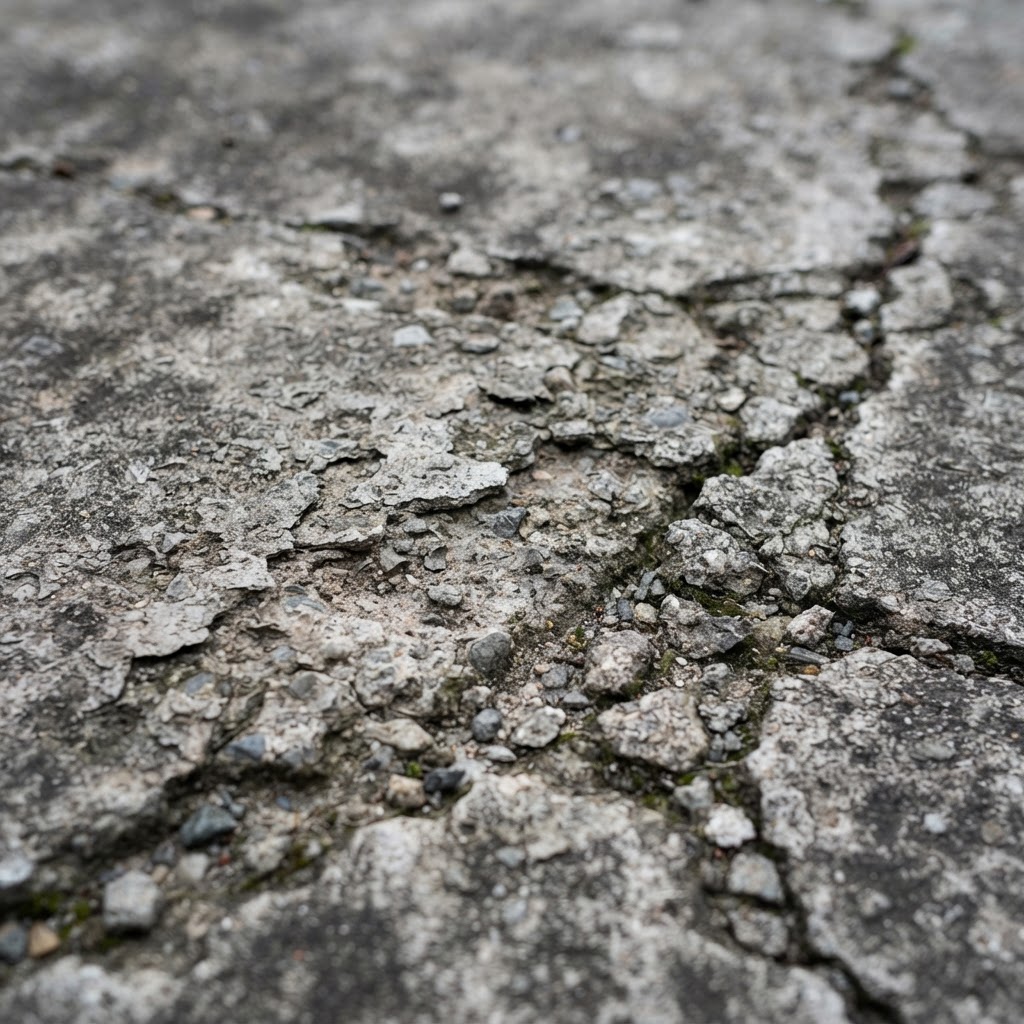
Concrete is full of tiny pores. In winter, water in those pores freezes and expands. Road salt carried in on tires makes this worse. Over time the top layer flakes off, a problem called scaling. Sealer reduces how much water and salt get in. It also:
- Makes oil, rust and leaf stains easier to clean
- Protects color on stamped and colored concrete
- Can add a satin or wet look to decorative finishes
- Reduces dusting on garage floors
Choosing a Sealer
Penetrating (silane/siloxane): soaks in, leaves a natural look and is not slippery. A good fit for broom-finish driveways, walks and aprons.
Acrylic (solvent or water-based): forms a thin film that enhances color and adds sheen. The usual choice for decorative and stamped concrete. Needs reapplying more often and may need an anti-slip additive.
Polyurethane and epoxy: tough coatings used mainly on garage floors and some high-traffic areas. Require careful prep.
The right product depends on your surface, how it is used and what look you want. Ask the contractor to name the product and explain why.
Surfaces We Get Asked About Most
Driveways and aprons
The apron near the street and the area under where cars park take the most salt. These are often the first spots to show scaling.
Stamped patios
Stamped concrete relies on sealer for color and protection. Fading, chalky color or water that soaks in instead of beading are signs it is time.
Pool decks
Sun and pool water wear sealer faster. Anti-slip additives are a must. See pool decks.
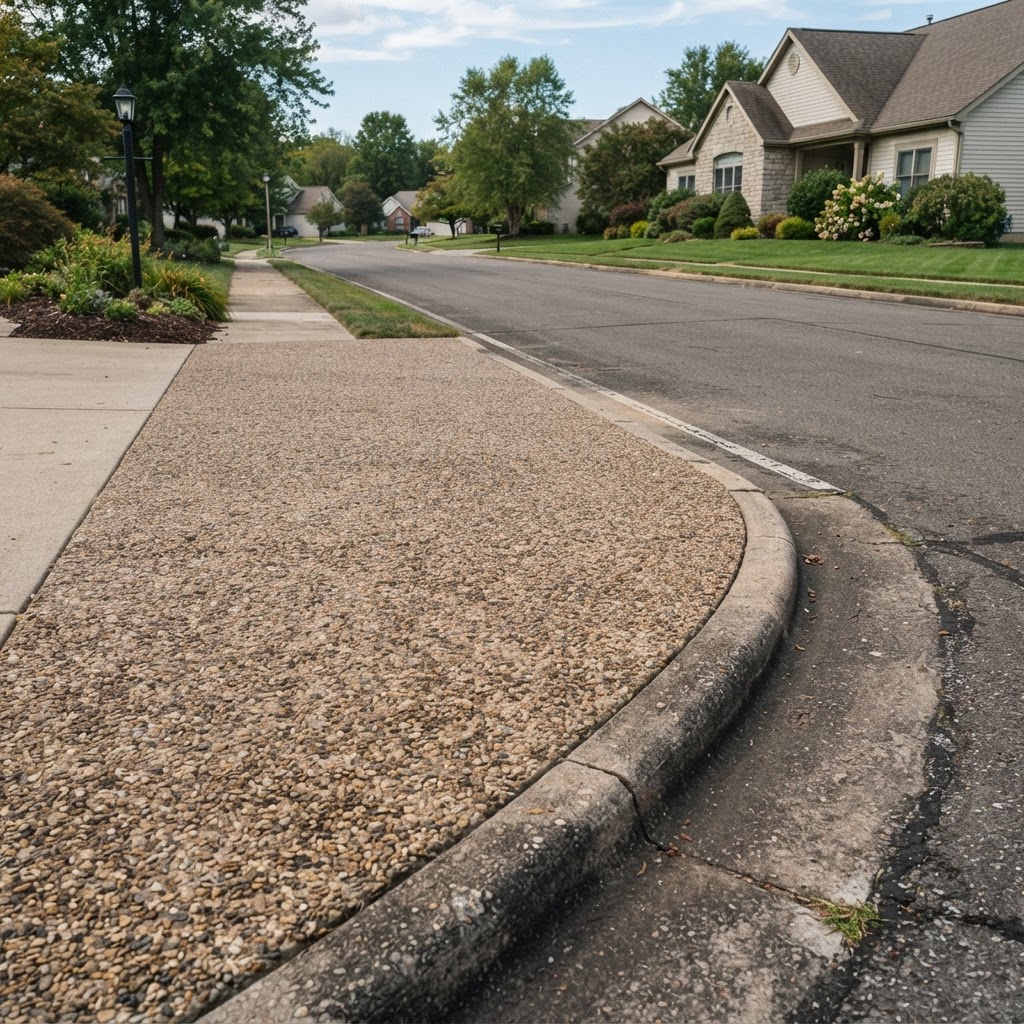
Exposed aggregate
Sealer helps lock in the stones and brings out their color.
Steps and walks
Use anti-slip sealers where people walk in rain and snow. See concrete steps and porches.
How a Pro Sealing Job Goes
- Inspect for cracks, scaling, haze and old sealer
- Clean with pressure washing and degreasers
- Repair cracks and reseal joints
- Strip failed or hazy sealer if needed
- Dry time before sealing
- Apply in thin, even coats in suitable weather
- Cure before foot traffic and longer before vehicles
Timing for New Concrete
Fresh concrete needs time to cure before many sealers go on. Some contractors use a cure-and-seal product right after the pour; others wait several weeks. Follow your installer's guidance, since it depends on the mix and the sealer.
Problems Sealing Can and Can't Fix
Can help: surface protection, color, stain resistance, slowing future scaling. Can't fix: sunken slabs (leveling), broken or crumbling concrete (repair and replacement), poor drainage.
Cost of Concrete Sealing
Sealing is usually priced by square foot or per job and depends on the size, the product, cleaning, crack repair and whether old sealer must be stripped. It is generally far less than repair or replacement. Treat online figures as general typical ranges; prices vary, so get a free quote by calling (317) 798-0634. See the Carmel concrete cost guide for other project ranges.
HOA and Appearance
Some Carmel HOAs care about how driveways and front walks look, including sheen and color. A glossy sealer on a front driveway can look very different from neighbors. If you are unsure, check your HOA rules; our permits and HOA guide has tips.
Winter Tips
- Shovel promptly so snow doesn't melt and refreeze on the surface
- Choose gentler de-icers; avoid ammonium-based products
- Don't let salty slush sit under parked cars for weeks
- Rinse surfaces in spring
DIY vs Professional
A plain driveway can be a DIY project for some homeowners. A pro is worth it for stamped and colored concrete, hazy or peeling sealer, pool decks and any surface with cracks or joints to repair first.
Signs Your Concrete Needs Sealing
- Water soaks in and darkens the surface instead of beading up
- Color on stamped or colored concrete looks faded or chalky
- Small flakes or pits are appearing near the garage or street
- Oil and rust stains are setting in
- It has been several years since the last coat, or you don't know if it was ever sealed
A simple test: sprinkle some water on the surface. If it darkens right away and soaks in, the concrete is probably unprotected. When you request a quote, mention the age of the concrete and any product used before, since some sealers do not bond well over others.
Frequently Asked Questions
Ready to protect your concrete?
Call (317) 798-0634 or send the short form, and a local contractor will be in touch about a free, no-obligation quote.