Carmel's mix of office parks along the US 31 corridor, retail around the Arts & Design District and City Center, and hundreds of HOA common areas creates steady demand for commercial flatwork. Most of it isn't glamorous: a broken sidewalk panel that's a liability, a dumpster pad crumbling under truck loads, a curb section clipped by a snowplow, or an accessible ramp that no longer meets standards.
Carmel Concrete Contractor connects property owners and managers with an independent local contractor who handles commercial flatwork. Call (317) 798-0634 or describe the project in the form.
Typical Commercial Projects
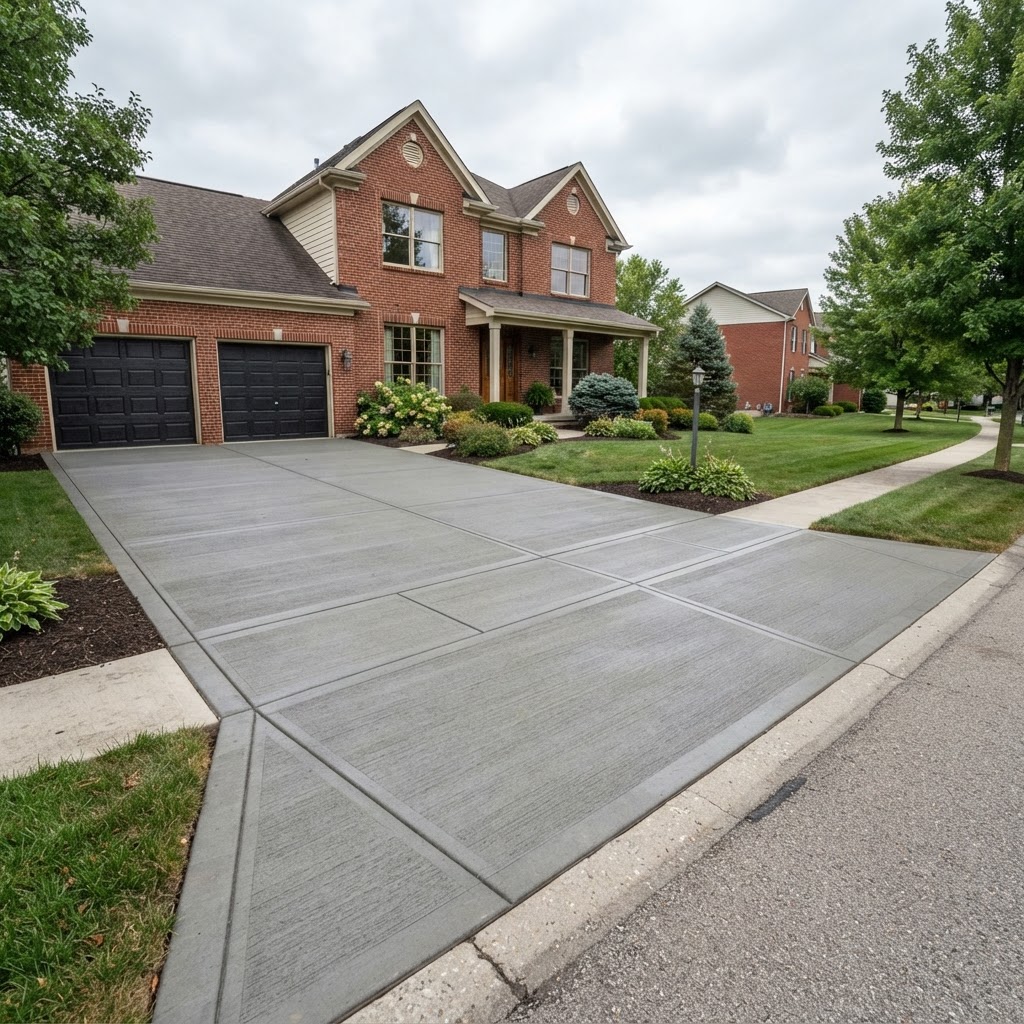
- Parking areas and drive lanes: concrete sections, approaches, and repairs where asphalt fails at entrances and turn areas.
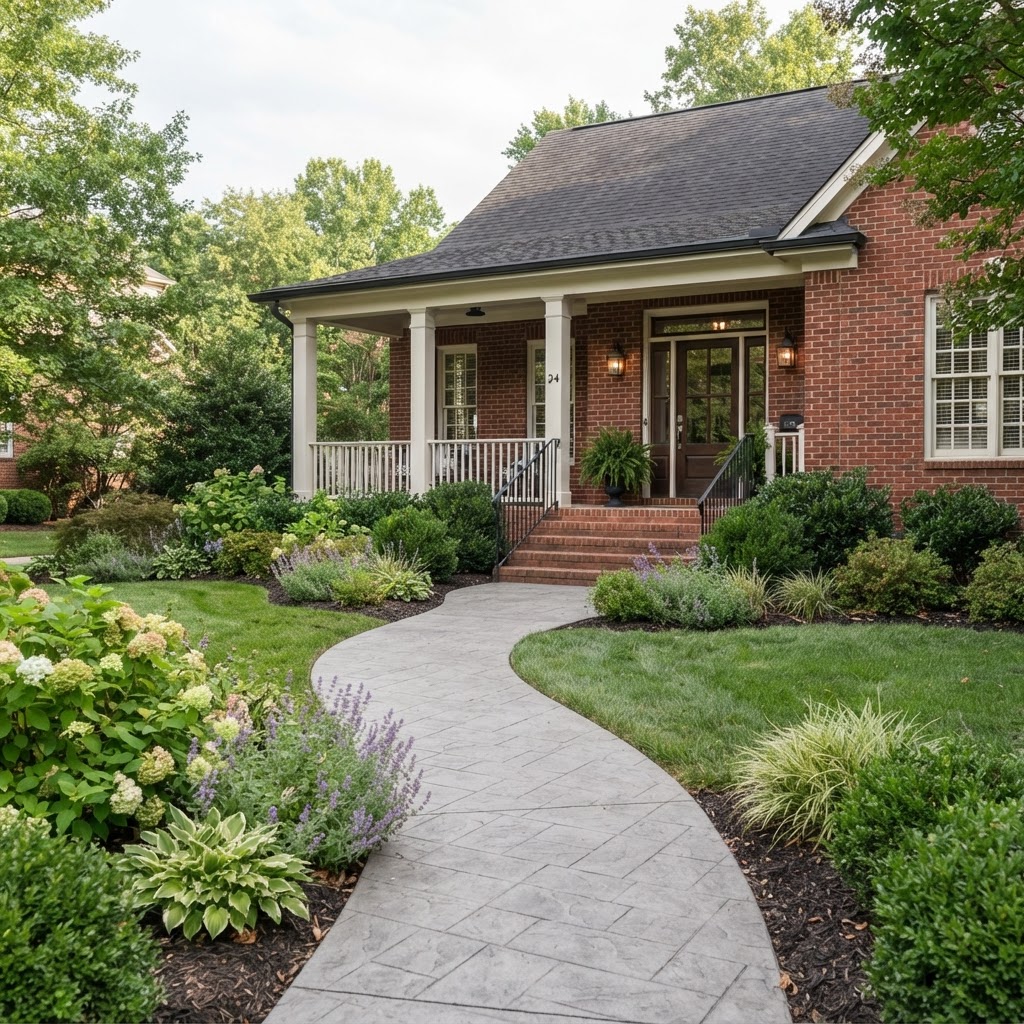
- Sidewalks and walkways: panel replacement, trip-hazard grinding or lifting, and new connections.
- Curb and gutter: replacing damaged runs and maintaining drainage.
- Dumpster pads and aprons: thick, reinforced slabs that stand up to refuse trucks.
- ADA ramps and accessible routes: slopes, landings and detectable warnings built to current accessibility requirements.
- Equipment and transformer pads, bollard footings, and loading areas.
HOA Common Areas
Carmel has a large number of homeowner associations that maintain entrance walks, path segments, pool decks, clubhouse patios and mailbox pads. Boards often want one contractor to survey problem areas, prioritize trip hazards, and phase work to fit a reserve budget. Ask for a written scope by location so the board can approve it item by item.
Scheduling Around Tenants and Traffic
Commercial work usually has to keep businesses open. That can mean pouring in phases, working early mornings or weekends, rerouting pedestrians, and using barricades and signage. Discuss access, staging, cure times before reopening, and who notifies tenants.
Specs That Matter
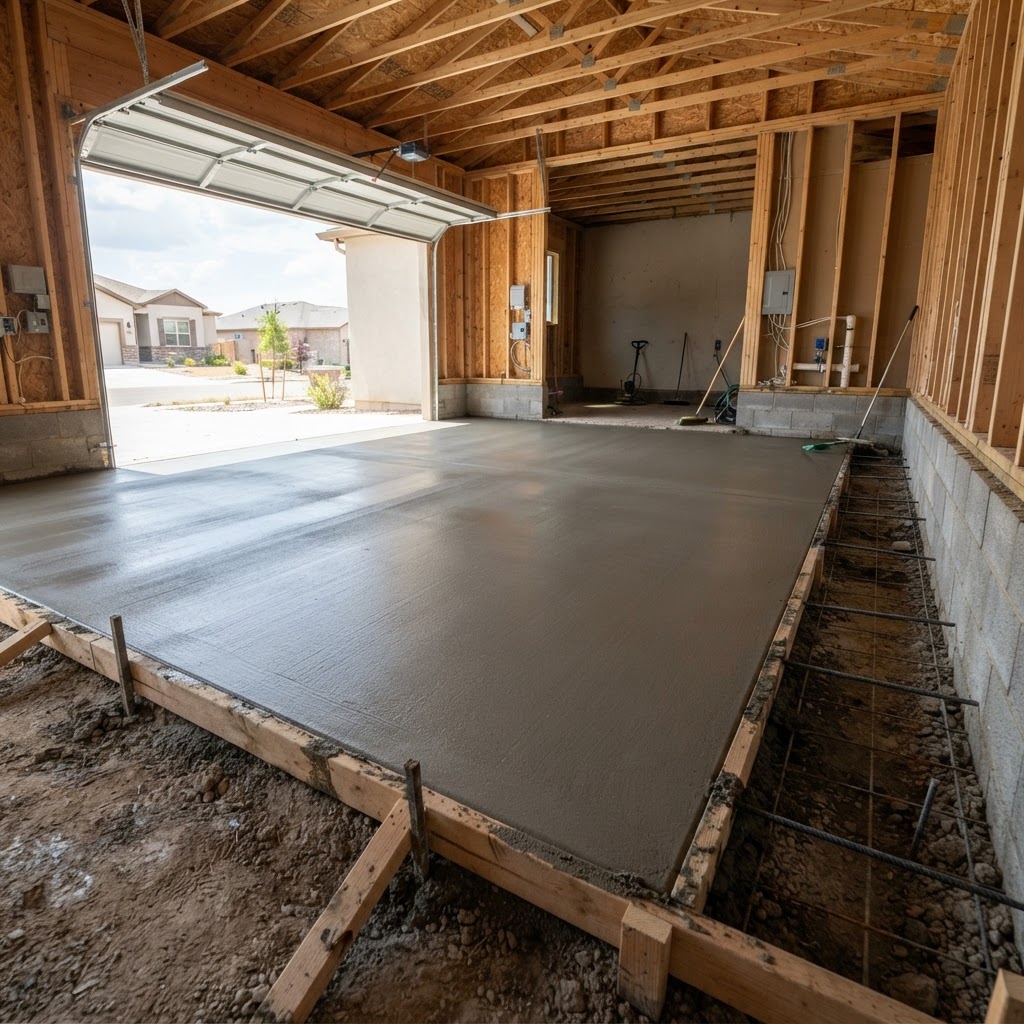
Commercial slabs are generally thicker than residential and often use rebar and higher-strength mixes, particularly where trucks turn. Joint layout, sealant and drainage slopes matter as much as thickness. Work at public streets or in the right-of-way will fall under city standards, and larger projects may need engineered drawings and inspections. If your property has a site plan or specifications, share them up front.
Trip Hazards and Liability
For property managers, the most urgent concrete work is usually a raised sidewalk edge. Where one panel has lifted above its neighbor, options include grinding or cutting the lip flush, lifting the low panel with foam or slurry, or replacing the panel. Grinding is fast and cheap for small offsets; replacement is better when the panel is cracked through or tree roots are still pushing it up. A walk-through survey that photographs and measures each problem spot gives you a record and a punch list, and lets the contractor price the work in order of risk.
Winter Wear in Commercial Lots
Plows, chains and heavy deicer use take a toll on curbs, islands and walk edges. Spring is the usual time to inventory damage. Sealing joints and cracks before the next winter slows water and salt from getting into the base.
Concrete vs. Asphalt for Parking
Asphalt is common for large lots because of up-front cost. Concrete is often chosen at high-stress spots: entrances, dumpster areas, drive-thru lanes and loading zones, where asphalt ruts and breaks. A hybrid approach is common.
Permits and Approvals
Commercial work in Carmel may require permits, plan review or right-of-way approval depending on scope. Confirm requirements with the City of Carmel before starting; your contractor should know how to work through the process. See our general permits page.
Getting a Useful Bid
Provide a site map with problem areas marked, photos, measurements if you have them, and any timing constraints. Ask bidders to list thickness, reinforcement, mix, joint plan, traffic control, and removal and disposal.
Frequently Asked Questions
Managing a property with concrete problems?
Call (317) 798-0634 or request a free commercial quote.